
 English
 русский
 Español
 عربى
عربى
Tubular Glass Vials: A Complete Guide to Strength, Uses and Packaging Options
As a glass packaging manufacturer with over two decades in the field, we've seen how the right vial can make all the difference in product stability and user confidence. Among the many formats we produce, the tubular glass vial stands out as a versatile and reliable choice for everything from pharmaceutical liquids to personal care formulations.
What Is a Tubular Glass Vial?
Tubular glass vials are formed from glass tubing, not from a mold. The manufacturing process begins with a hollow glass tube that is cut into precise lengths, then heated and formed into a vial shape with a flat or rounded bottom. Because the glass is stretched into its final dimensions, tubular vials tend to have more uniform wall thickness and a lighter weight than molded vials. This makes them particularly attractive when you need a clean, precise container without extra bulk.
The starting material is a continuous glass tube, often made from borosilicate or neutral glass, which is drawn to an exact outer diameter. At our plant, we cut each tube to the required length and then flame-form the open end into a smooth neck and the bottom into a stable shape. The result is a vial with consistent wall thickness, minimal internal stress, and a smooth surface that is easy to clean and sterilize.
The term "tubular" refers to the raw material format, not the final shape. A tubular vial can have straight sides, a slight taper, or even a roll-on tip, depending on the closure system you choose. What stays consistent is the manufacturing route: continuous tubing, cutting, flame processing, and annealing to relieve stress.
Tubular vs Molded: Which Vial Is Right for You?
One of the first questions customers ask us is whether to use a tubular or molded glass vial. Both formats have their strengths, and the right choice depends on your product, your fill volume, and your production line.
| Aspect | Tubular Glass Vial | Molded Glass Vial |
|---|---|---|
| Wall Thickness | More uniform | Less uniform, thicker |
| Weight | Lighter | Heavier |
| Dimensional Precision | High | Moderate |
| Manufacturing Method | Drawn from tubing | Pressed or blown into mold |
| Common Volumes | 1–30 mL | 5–200 mL+ |
| Unit Cost | Economical for small volumes | Economical for large volumes |
While molded vials are created by melting glass into a cavity, tubular vials are drawn from tubing. This difference matters in daily use. For a pharmaceutical product that requires precise fill volume and reliable sealing, the uniform walls of a tubular vial are a clear advantage. Molded vials, in contrast, often have heavier walls, which can be useful for larger containers that need extra mechanical strength.
It is also important to think about total cost, not just unit price. Tubular vials may have a slightly lower material weight, which can reduce shipping costs. They also work well with standard capping equipment, which affects your overall packaging line efficiency.
Where Tubular Glass Vials Shine
Tubular glass vials are widely used in pharmaceutical and healthcare packaging, where chemical resistance and compatibility with rubber stoppers and crimp seals are essential. They are also common in specialty laboratories for storing reagents, samples, and standard solutions. In the personal care and fragrance world, tubular vials provide an elegant, slim silhouette for essential oils, serums, and perfume concentrates.
Typical applications include:
- Pharmaceutical injectables and liquid preparations
- Laboratory reagents and diagnostic kits
- Essential oils and aromatherapy blends
- Concentrated serums and skin care actives
- Perfume and fragrance samples
- Animal health supplements
In all these fields, the vial needs to protect the product from moisture, oxygen, and handling damage. Tubular vials meet these requirements while keeping packaging weight low.
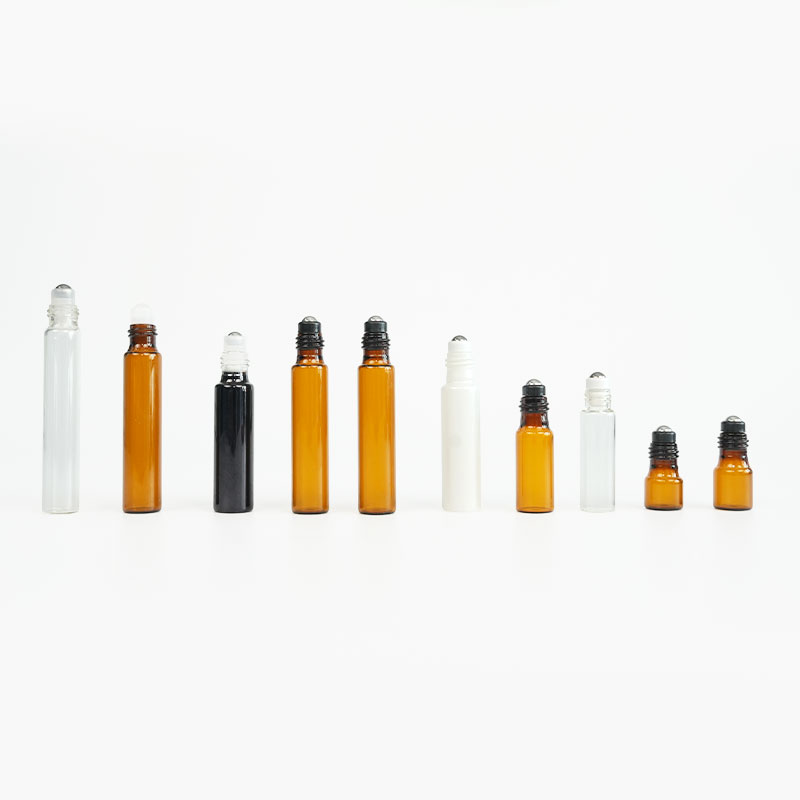
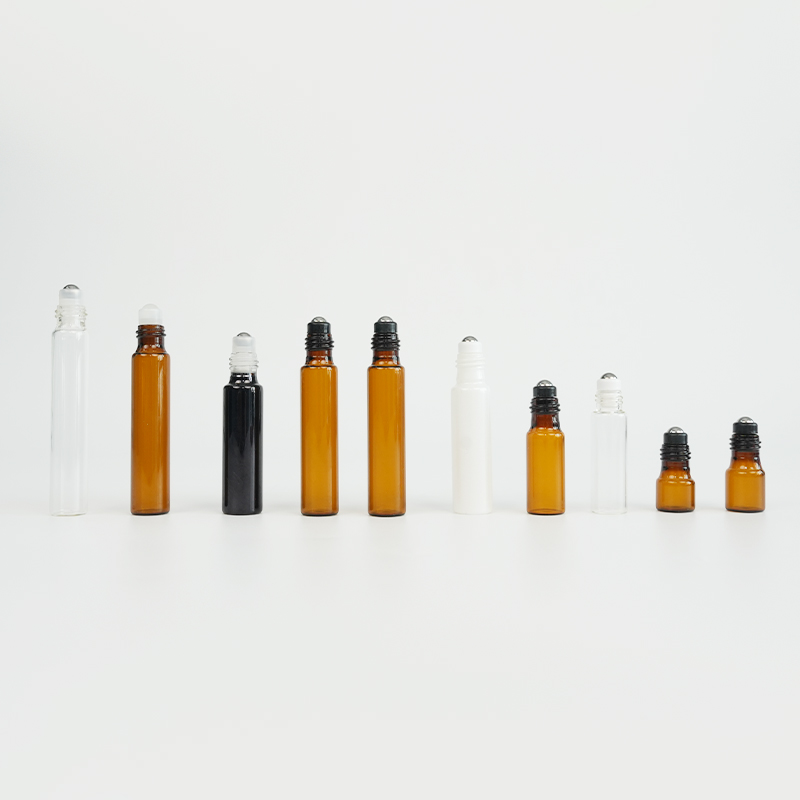 Clear Borosilicate Glass Tubular Vial for Versatile Liquid PackagingThis vial protects contents from moisture and oxygen while remaining transparent, making it a versatile choice for pharmaceuticals, health drinks, and cosmetics with customizable finishes.View Product →
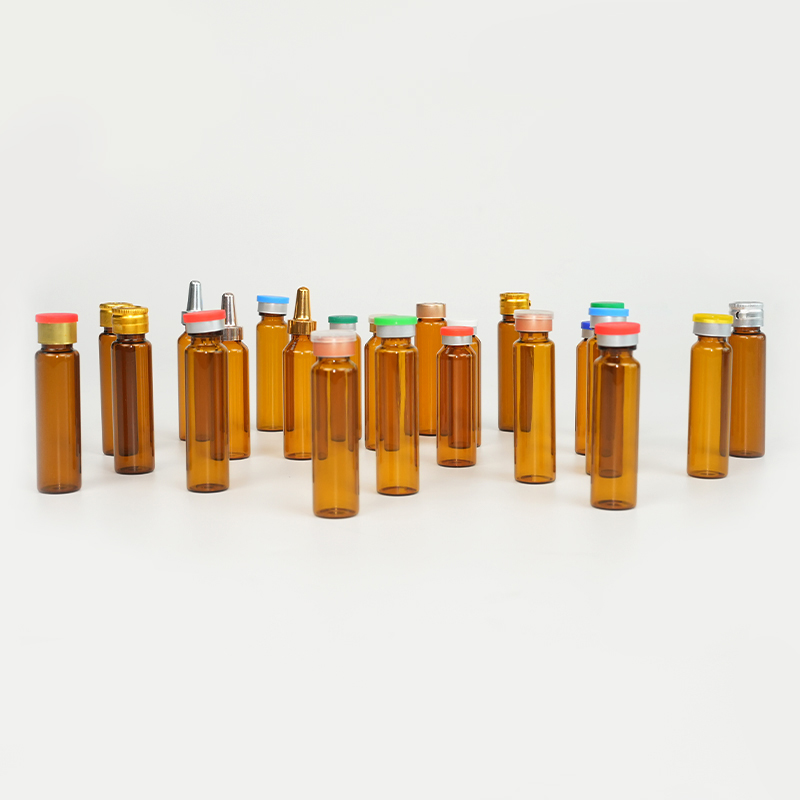
At our facility, we produce clear and amber tubular vials that can be paired with crimp caps, screw caps, or roll-on applicators. The glass surface can be left as-is or decorated with frosted effects, silk-screen printing, and other treatments to match your brand.
Amber or Clear? Choosing the Right Shade
Color is not just a cosmetic decision. Amber glass provides UV and visible light protection, which is why it is a top choice for light-sensitive actives like vitamins, essential oils, and certain pharmaceutical preparations. Clear glass offers a visible product showcase and is a good fit for products whose stability is not affected by light.
Amber glass is typically produced with iron oxide and sulfur, which gives it a warm brown tone. It blocks most UV-A and UV-B radiation, making it ideal for photolabile ingredients. Clear glass, on the other hand, is more neutral and gives consumers a direct view of the product color and consistency. That transparency can be a branding advantage for premium beauty products.
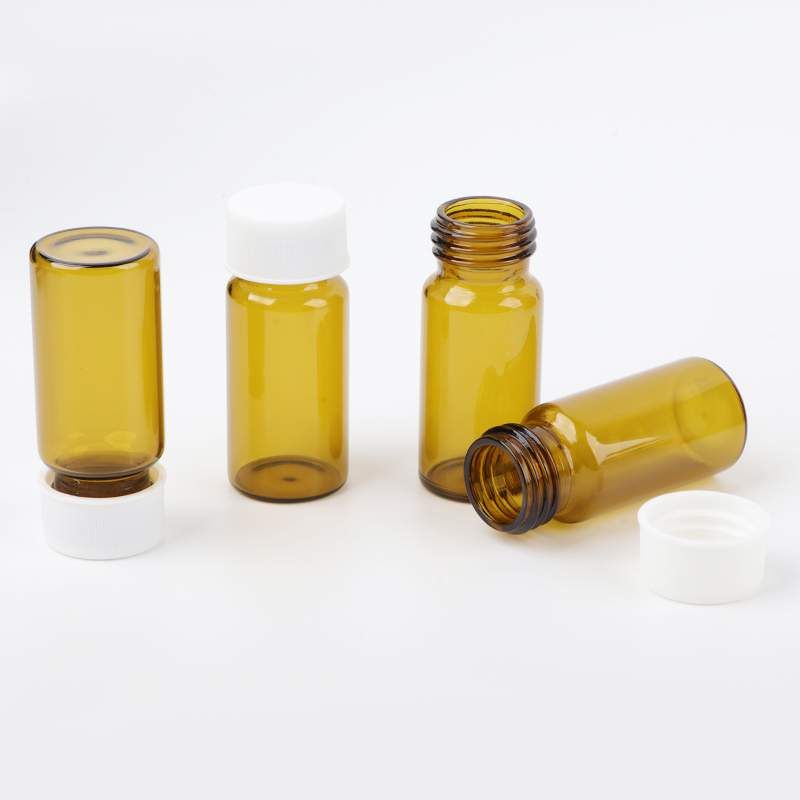 Amber Borosilicate Glass Tubular Vial for Light-Sensitive FormulasAmber glass vial blocks UV rays, protecting photosensitive ingredients like vitamin C and peptides, extending shelf life for pharmaceuticals, wellness, and skincare.View Product →
When choosing, consider not only the active ingredient but also the shelf life, storage environment, and how the container will be displayed at the point of sale. Both shades are available in our tubular vial line, and we can also discuss custom colors or surface treatments during the development phase.
From Sample to Serial Production: How We Support Your Project
This is where our experience as a glass packaging supplier comes into play. We offer custom sizing and structural design, from the first sample to batch production. Our team works with you to define the neck finish, fill volume, and closure type, then follows standardized processes to maintain quality across every run.
Every project begins with a detailed discussion of the container's dimensions, capacity, neck finish, and closure. Our engineers can help you select the right glass diameter and length, and we produce samples that match your drawing or a reference product. Once you approve the sample, we move to serial production with documented in-process checks.
If your product needs a tight seal and a smooth filling experience, you might find our thoughts on optimizing liquid filling and sealing useful. We also maintain a complete production and quality control system, so from incoming glass tubing to packed cartons, each vial is checked against clear specifications. Whether you need a small pilot run or a full pallet order, we can align our delivery schedule with your launch plan.
One of the benefits of working with a dedicated glass packaging manufacturer is that we can coordinate the entire supply chain, from glass tubing suppliers to cartons. That simplifies communication and gives you a single point of contact for quality and delivery issues. We serve customers in medical health, nutrition, professional skincare, lab storage, animal health, fragrance, and personal care.
If you are considering a specialty application like roll-on packaging, we offer a glass roll-on bottle as part of the tubular vial family.
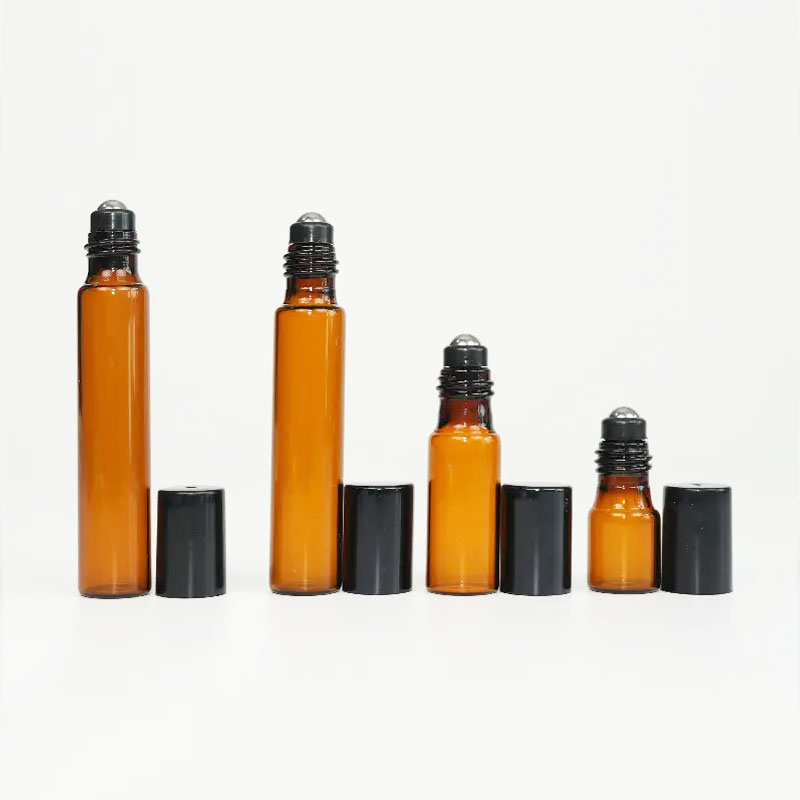 Glass Roll-On Bottle with Stainless Steel Ball ApplicatorGlass roll-on bottle with stainless steel ball ensures even, drip-free dispensing for essential oils, perfumes, and serums, offering leak-proof storage and customizable branding.View Product →
Choosing a tubular glass vial is about more than picking a container. It is about finding a partner who can help you navigate glass chemistry, closure compatibility, and production efficiency. With twenty years of glass forming experience and a full range of mounting options, we are ready to support you from early design to final delivery. If you are planning a new product launch or re-evaluating an existing package, let's start the conversation.
Interested in cooperation or have questions?
 Read More
- Add: Suite 1520, Sucheng Building, 233 Ruijiang Road, Haimen District, Nantong City, Jiangsu Province, China
- Tel: +86-18795716669
-
Email:
manager@ausbaypkg.com sales@ausbaypkg.com export@ausbaypkg.com
Copyright by Jiangsu Ousibei Packaging Material Technology Co., Ltd. Rights
Reserved.
 OEM/ODM Empty Perfume Vials Manufacturers
