Materials & Packaging
Glass or Plastic: The Real Lifespan of a Liquid Medicine Bottle
Two materials, two very different definitions of "durable." One resists chemical aging for decades. The other survives the drops, shipping, and daily handling that actually destroy bottles. Here is what the data says about each.
Direct Answer: Glass Lasts Longer, Plastic Resists Damage Better
In terms of raw material longevity, a glass Liquid Medicine Bottle outlasts a plastic one under normal storage conditions. Glass does not degrade chemically over time, does not absorb odors or active ingredients, and can remain functionally unchanged for decades if it is not physically broken. A plastic Oral liquid bottle, by contrast, is more resistant to breakage but gradually loses material integrity through a slower process called polymer degradation, which is accelerated by UV exposure, repeated temperature changes, and long-term contact with certain formulations. So the practical answer depends on what "lasting" means to the buyer: if it means chemical stability and resistance to aging, glass wins; if it means surviving drops, shipping, and daily handling without cracking, plastic wins. For most commercial and household use cases involving a liquid medicine bottle, plastic offers better overall functional lifespan because breakage — not material aging — is the leading cause of bottle failure in real-world conditions.
How Material Composition Affects the Lifespan of a Liquid Medicine Bottle
The durability of any Liquid Medicine Bottle starts with the raw material it is molded or formed from. Glass bottles are typically made from soda-lime glass or borosilicate glass, both of which are chemically inert and do not react with acids, alcohols, or most active pharmaceutical ingredients. This inertness is the primary reason glass containers have historically been the standard choice for sensitive liquid formulations. Plastic bottles used for an Oral liquid bottle are commonly manufactured from polyethylene terephthalate (PET), high-density polyethylene (HDPE), or polypropylene (PP). Each of these plastics has different resistance levels to heat, light, and chemical interaction.
Chemical Stability Comparison
Glass shows virtually no measurable degradation over a 10-year storage period when kept in stable conditions. HDPE, one of the more durable plastics used in bottle manufacturing, typically shows early signs of embrittlement after 3 to 5 years of continuous UV exposure, though shelf-stored bottles away from direct light can last considerably longer. PET is more prone to gas permeability issues over time, which can allow small amounts of oxygen to enter the bottle and potentially affect the shelf life of oxygen-sensitive liquids.
Physical Durability: Which Bottle Survives Daily Handling Better
While glass wins on chemical longevity, plastic is significantly more resistant to the everyday physical stress that a Liquid Medicine Bottle is likely to face. Dropping a glass bottle from a height of even 60 centimeters onto a hard surface has a high probability of causing a crack or full breakage. The same drop test on an HDPE or PP Oral liquid bottle usually results in no damage at all, since these plastics are flexible enough to absorb impact energy rather than shatter.
This distinction matters most in three common scenarios: home use with children or elderly patients, bulk shipping and logistics, and outdoor or travel use. In each of these, breakage risk — not chemical aging — is the dominant factor determining how long a bottle remains usable.
| Property |
Glass Bottle |
Plastic Bottle |
| Chemical inertness |
Excellent, no reaction |
Good, varies by resin type |
| Impact resistance |
Low, prone to cracking |
High, flexes under stress |
| UV resistance |
Very high, especially amber glass |
Moderate, degrades gradually |
| Weight and shipping cost |
Heavier, higher shipping cost |
Lighter, lower shipping cost |
| Typical service life |
10+ years if unbroken |
3 to 7 years depending on resin |
Light and Temperature Sensitivity for Oral Liquid Bottle Storage
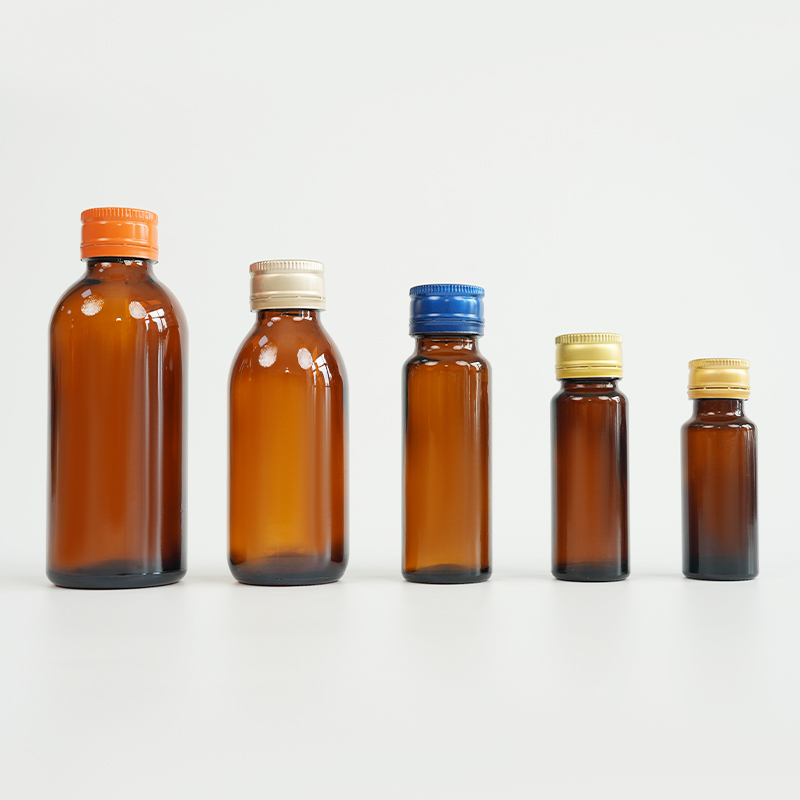
Many liquid medications are sensitive to light exposure, which can break down active compounds over time and reduce potency. An amber-tinted Liquid Medicine Bottle made from glass blocks the vast majority of UV wavelengths, making it one of the most reliable packaging options for photosensitive liquids. Amber plastic bottles offer similar protection but generally block a slightly narrower range of the UV spectrum, and clear plastic bottles offer very little protection unless stored inside an outer carton.
Temperature Fluctuation Tolerance
Glass tolerates a wide temperature range without warping or leaching, which makes it a dependable choice for an Oral liquid bottle that may be exposed to seasonal storage conditions, such as in a warehouse or a vehicle. Plastic bottles, particularly those made from lower-grade PET, can soften slightly at higher temperatures and may become brittle in cold conditions, especially after repeated freeze-thaw cycles. HDPE performs noticeably better than PET in this respect and is often the preferred resin for medicine bottles that need to withstand variable climates.
Breakage, not chemical aging, is the leading cause of bottle failure in real-world conditions — which is why the "longer lasting" material depends entirely on how the bottle is actually used.
Cap and Seal Longevity: An Overlooked Factor
The lifespan of a Liquid Medicine Bottle is not determined solely by the bottle body. The cap, liner, and seal often fail before the bottle itself does. Glass bottles typically use metal or plastic caps fitted with a rubber or foam liner, and over time these liners can compress, harden, or lose their sealing ability, especially with repeated opening and closing. Plastic Oral liquid bottle designs, particularly those with integrated child-resistant caps, tend to maintain a tighter seal for longer because the cap and bottle threads are molded to match precisely, reducing the risk of an uneven seal that can develop with separately manufactured glass-and-metal cap assemblies.
Info
For pharmacies and manufacturers packaging liquid medication for regular household use, cap-and-seal performance is often just as important as the bottle material itself, since a compromised seal can lead to evaporation, contamination, or spillage regardless of how strong the bottle body is.
Cost and Practical Considerations Over the Product Lifecycle
Cost plays a meaningful role in determining which type of Liquid Medicine Bottle makes sense for a given use case. Glass production and shipping costs are typically higher due to the weight and fragility of the material, which increases packaging requirements and transport expenses. Plastic bottles are lighter, cheaper to mold at scale, and less costly to ship in bulk, which is why the majority of over-the-counter Oral liquid bottle products on the market today use plastic packaging.
- Glass bottles generally cost more per unit to manufacture and transport.
- Plastic bottles reduce breakage-related product loss during shipping and handling.
- Glass bottles are more commonly reused or repurposed due to their durability and premium feel.
- Plastic bottles are typically treated as single-use or short-cycle packaging.
- Recycling infrastructure for HDPE and PET plastics is widely available in most regions, supporting end-of-life disposal.
When total lifecycle cost is considered, including breakage rates during shipping, plastic often proves more economical for high-volume distribution, while glass remains the preferred choice for premium or specialty formulations where perceived quality and chemical stability outweigh cost concerns.
Environmental Factors That Shorten Bottle Lifespan
Certain environmental conditions can shorten the effective lifespan of both glass and plastic bottles used for liquid medication. Prolonged direct sunlight, high humidity, and exposure to strong cleaning chemicals during handling can all accelerate wear. A glass Liquid Medicine Bottle is largely immune to humidity and chemical exposure but remains vulnerable to thermal shock, meaning a sudden change from cold to hot conditions can cause cracking even without a physical impact.
Warning
Plastic bottles used as an Oral liquid bottle are more resistant to thermal shock but can be affected by prolonged exposure to certain solvents or alcohol-based liquids, which may cause slight softening or clouding of the plastic over extended periods. Choosing the correct resin type based on the liquid's chemical properties is essential for maximizing plastic bottle lifespan in these situations.
Choosing the Right Bottle Based on Use Case
There is no single correct answer for every situation, since the ideal Liquid Medicine Bottle material depends on how and where it will be used. The following breakdown can help match the material to the purpose:
- For long-term storage of light-sensitive liquids: amber glass offers the strongest protection and longest chemical stability.
- For households with children or elderly users: a plastic Oral liquid bottle reduces breakage risk significantly.
- For international or bulk shipping: plastic reduces both weight and breakage-related losses.
- For premium or specialty formulations: glass often supports brand perception and formulation integrity.
- For travel or outdoor use: plastic is more practical due to its impact resistance and lighter weight.
Success
Manufacturers and pharmacies often make this decision based on the specific formulation being packaged, the target market, and expected handling conditions throughout the supply chain, rather than choosing one material universally for every liquid medicine bottle they produce.
Final Takeaway
When comparing which material truly lasts longer, the honest answer depends on the definition of longevity being used. A glass Liquid Medicine Bottle has superior chemical stability and can theoretically last indefinitely if never broken, making it the stronger choice on paper for pure material aging. However, in real-world conditions where handling, shipping, and accidental drops are unavoidable, a plastic Oral liquid bottle tends to deliver a longer functional service life because it simply survives more of the everyday stresses that actually destroy bottles. For most buyers, the practical recommendation is to choose plastic for everyday household and high-volume use, and reserve glass for specialty formulations where chemical purity and light protection are the top priority.
Danger
Never assume a bottle material is "safe by default" for a given formulation. Always verify chemical compatibility between the liquid and the resin or glass type before committing to packaging at scale — an incompatible pairing can shorten shelf life far more than any environmental factor discussed above.

 English
 русский
 Español
 عربى
عربى
 Read More
 OEM/ODM Empty Perfume Vials Manufacturers
