
 English
 русский
 Español
 عربى

Glass Vials With Caps and Lids: The Engineering Behind a Reliable Seal
Closure systems / glass packaging
Glass Vials With Caps and Lids: The Quiet Engineering Behind a Better Seal
A vial is only as good as the closure that finishes it. Here is how to choose caps, lids, liners, and neck finishes that protect the product, fit the filling line, and feel right in the hand.
The Closure Is Half the Package
A glass vial with a cap looks like a container plus a lid. In practice, it is a single sealing system. The glass sets the volume and the product-contact surface. The neck finish sets the mechanical interface. The cap, liner, and capping method decide whether that interface stays tight through filling, transport, storage, and repeated opening.
We have spent more than two decades forming glass and watching how small dimensional choices travel downstream. Most closure problems are not dramatic. They are quiet mismatches: a liner that swells, a thread that engages too loosely, a crimp that looks neat but leaks under vacuum. Finding them at the sample stage is far cheaper than finding them in a stability chamber.
The closure is not the finishing touch. It is the first line of defense.
That is why we prefer to discuss caps and lids at the same time as the vial, not after the bottle has been chosen. If you are planning a filled product, it also helps to understand how vial geometry and sealing affect filling lines before the first production run.
A Practical Map of Caps, Lids, and Fitments
Most glass vials use one of a few closure families. The names vary by industry, but the sealing logic does not: a screw thread, a crimped metal seal, a stopper, or a friction-fit component.
| Closure type | Typical vial interface | Best for | Reopenable | Watch point |
|---|---|---|---|---|
| Screw cap with liner | Threaded neck | Oral liquids, oils, tinctures | Yes | Thread engagement and liner compression |
| Crimp cap with aluminum seal | Crimp neck or flange | Injectables, oral liquids, lab samples | No | Crimp dimensions and seal integrity |
| Flip-off cap | Crimp neck with stopper | Lyophilized powders, injectables | No | Stopper fit and clean opening |
| Dropper cap | Screw neck | Serums, tinctures, essential oils | Yes | Bulb fit and drop volume |
| Spray pump | Screw neck | Mists, room sprays, fragrance | Yes | Pump-to-neck fit and leakage |
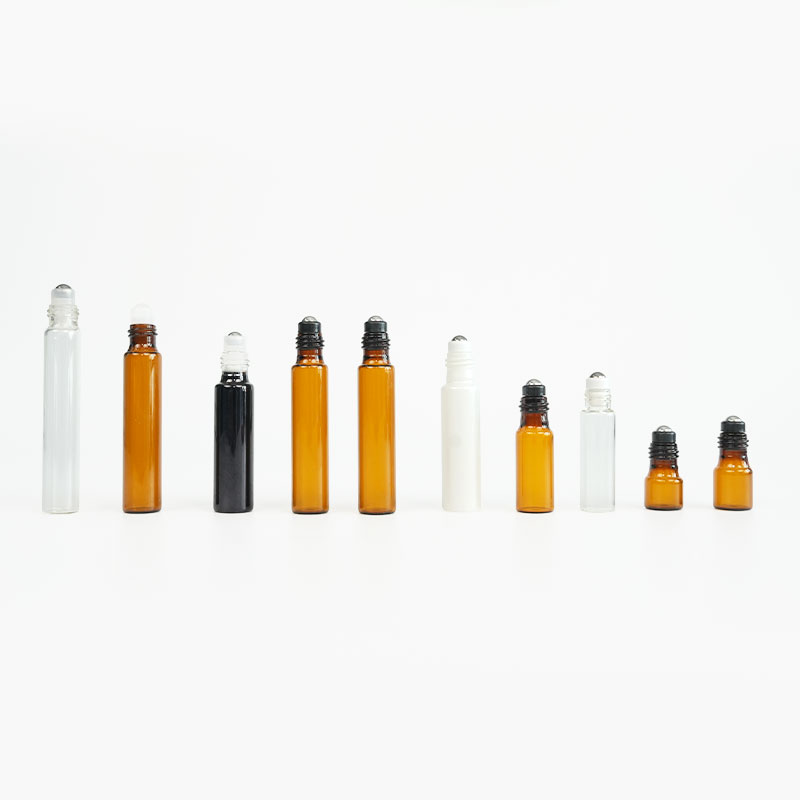
| Roll-on fitment | Screw neck | Aromatherapy, personal care | Yes | Ball seat and flow rate |
| Stopper plus crimp seal | Flanged neck | Freeze-dried and sterile products | No | Rubber formulation and moisture ingress |
The table is a starting point, not a shopping list. An 18 mm screw neck from one mould is not automatically interchangeable with an 18 mm screw cap from another supplier; thread pitch, neck diameter, and the sealing land all matter. When a customer sends us a cap first, we usually ask for a drawing and a sample, then match the glass neck to the closure rather than forcing the closure onto an approximate neck.
If you need a partner who can look at the vial, the closure, and the filling process together, our glass packaging production covers custom neck finishes and sample-to-batch supply.
Liners, Torque, and the Details That Decide Performance
The liner is often the least visible part of the package and the most product-contact-sensitive. PTFE-faced liners resist many solvents; silicone offers flexibility and temperature range; butyl and EPDM are common in pharmaceutical and aqueous systems but are not universal. The right question is not “which liner is best?” but “what is in the vial, how will it be sterilized, and what must the seal do for the shelf life?”
Dimensions deserve the same calm attention. A neck drawing should specify the thread, the sealing surface, the bore, and the acceptable range, not a single perfect number. Glass is rigid, but it is still a formed material. A sensible tolerance band keeps production practical and still protects the closure.
Matching the Vial to the Use Case
The same glass body can behave very differently depending on what it holds. These are the patterns we see most often.
Lyophilized and laboratory vials
Freeze-dried products need a clean stopper seat, a reliable crimp, and a barrier against moisture. Amber glass is common where light sensitivity is a concern. The closure is usually a rubber stopper plus an aluminum seal, and the critical checks are stopper fit, crimp integrity, and vacuum retention.
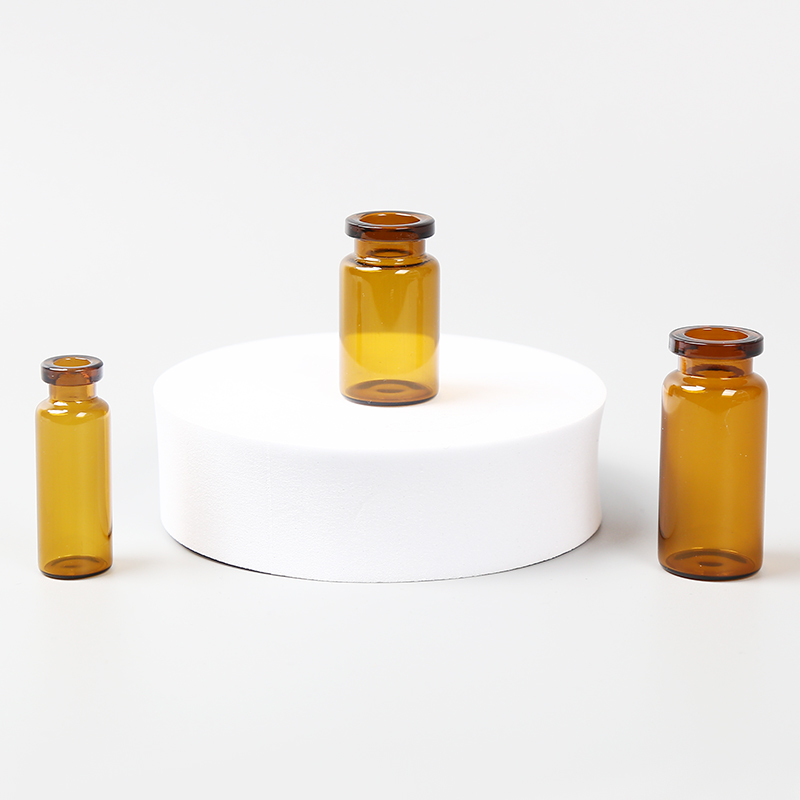 Amber Glass Vials for Lyophilized and Light-Sensitive ProductsAmber borosilicate vials with crimp finish suit freeze-dried and light-sensitive fills, offering stopper compatibility and moisture-resistant sealing for pharmaceutical or lab packaging.View Product →
Oral liquids and nutraceuticals
For syrups, suspensions, and liquid supplements, the neck finish has to suit the filling line and the person opening the bottle. Crimp-finish vials offer a secure, low-profile seal; screw-neck vials are easier to reopen. Dose accuracy, liner compatibility, and child-resistant requirements should be settled before artwork.
 Amber Glass Oral Liquid Vials with Crimp FinishFor light-sensitive syrups and oral liquids, these amber borosilicate vials use a crimp cap for secure sealing and support automated filling lines.View Product →
Oils, fragrance, and personal care
Essential oils, perfume decants, and facial serums are often small in volume and high in user experience. A dropper, spray pump, or roll-on can turn the same vial into a different product. Aroma retention, tint, and the feel of the closure matter as much as the seal.
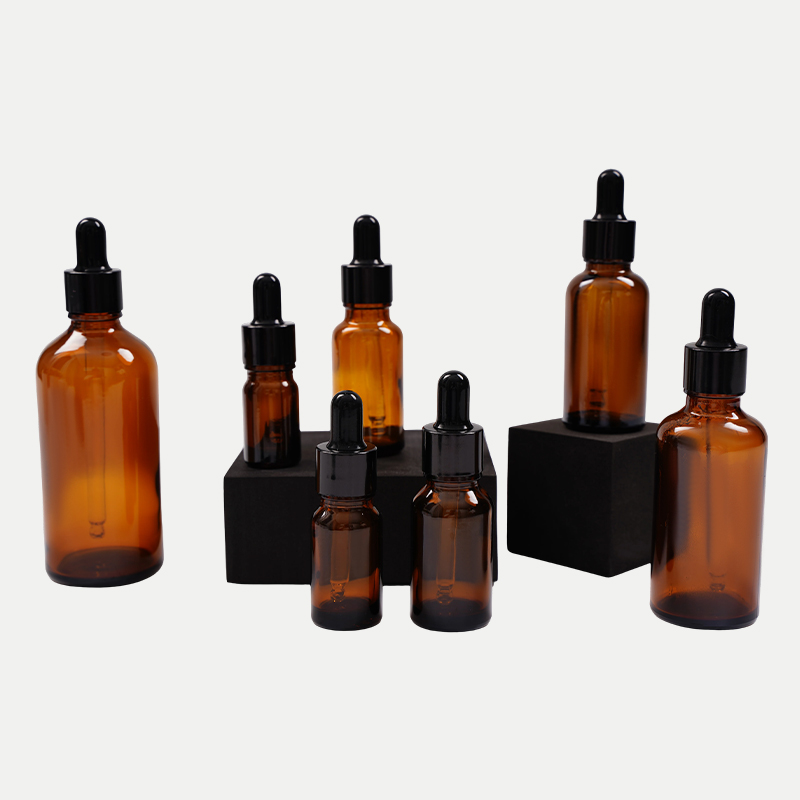 Amber Glass Essential Oil Bottles for Dropper DispensingThreaded amber bottles in small to mid-size capacities protect essential oils from light and work with droppers or orifice reducers for precise dispensing.View Product →
A Specification Checklist for Buyers
Before requesting a quote, try to answer these points in one brief. It shortens sampling and gives both sides a clearer target.
- Product chemistry, pH, viscosity, and any sterilization method.
- Nominal fill volume, headspace, and maximum fill line.
- Neck finish drawing and intended closure type.
- Glass color and any light-protection requirement.
- Liner material, cap material, and torque range.
- Label area, printing, and inspection requirements.
- Sample quantity, pilot run size, and target delivery window.
Quality Checks Before the First Full Run
When samples arrive, put them through the same motions they will meet in real life. We normally suggest a short validation list:
- Dimensional check on neck, height, and bore.
- Application torque and removal torque across a sample batch.
- Vacuum or pressure decay, plus dye penetration where appropriate.
- Drop, compression, and transport simulation.
- Liner compatibility and, for sensitive products, extractables review.
- Line trial with the actual capper, filler, and sterilizer.
None of these checks is unusual. The value is doing them in order, before the full run, while a change still costs a sample rather than a pallet.
A Calm, Confident Path to Scale
Glass vials with caps and lids are not a commodity pair to assemble at the last minute. They are a small, precise system: glass neck, liner, cap, capping method, and the product inside. When those parts are chosen together, the package becomes quiet. It fills smoothly, seals consistently, opens without complaint, and protects what it holds.
That is the outcome worth designing for. Start with the product and the filling process, ask for samples, measure before you commit, and keep the closure drawing with the vial drawing where it belongs. If you do, the cap stops being an afterthought and becomes what it should be: the dependable end of a well-made package.
Interested in cooperation or have questions?
 Read More
- Add: Suite 1520, Sucheng Building, 233 Ruijiang Road, Haimen District, Nantong City, Jiangsu Province, China
- Tel: +86-18795716669
- Whatsapp: 8618921660015
-
Email:
manager@ausbaypkg.com sales@ausbaypkg.com export@ausbaypkg.com
Copyright by Jiangsu Ousibei Packaging Material Technology Co., Ltd. Rights
Reserved.
 OEM/ODM Empty Perfume Vials Manufacturers
