
 English
 русский
 Español
 عربى

1ml, 2ml, 3ml Small Essential Oil Glass Vials: Sizes, Styles & Selection
Small Vials, Serious Protection: A Practical Guide to 1ml, 2ml and 3ml Essential Oil Glass Vials
The smallest formats often carry the heaviest expectations. Here is what we have learned about choosing, filling and presenting tiny essential oil vials that still feel considered.
A sampler set, a travel ritual, a single-use trial: the reasons clients reach for a 1ml, 2ml or 3ml glass vial are as varied as the oils inside. The vessel itself is rarely the headline, yet it decides whether the first drop arrives intact, whether the fragrance still reads true, and whether a customer trusts what is inside. Over two decades of glass forming and quality control, we have seen how much can change when the wall, the neck or the closure is even slightly off. This guide walks through the practical decisions without turning them into a performance.
Why the 1ml, 2ml and 3ml Formats Deserve a Closer Look
Capacity is not just a number on a spec sheet. In essential oil packaging, it is a statement about how the product will be sampled, carried, stored, and remembered. The closer the volume gets to a single use, the less room there is for waste and the more attention every millimeter earns.
- 1ml vials: suited to fragrance discovery, single-use samples, and high-value oils that need a precise top note without exposure.
- 2ml vials: a sensible middle ground for retail sampling, travel sets, and short trial periods where the oil needs a little breathing room.
- 3ml vials: useful when a sample should feel like a small full-size experience, or when a blend is applied with a dropper over several uses.
The benefit of these small formats is not only material economy. They shorten the distance between a customer's first impression and a considered decision. A vial that opens cleanly, delivers a controlled drop, and protects the oil from light does more selling than a louder label on a larger bottle.
Colour, Light and the Protection Your Oil Actually Needs
Essential oils are not indifferent to their surroundings. Citrus oils, in particular, can respond to light, and delicate top notes lose definition when a vial is left on a bright shelf. Glass colour is one of the quietest tools in the packaging kit. Amber filters a broad slice of visible and ultraviolet light, deep blue offers a cooler visual signature with its own filtering character, and clear glass keeps the oil itself on display. Green glass can support a botanical story while still adding a measure of light protection. None of these choices is purely cosmetic; each has a role in how the oil survives the journey.
| Glass colour | Light protection | Best suited to | A note from experience |
|---|---|---|---|
| Amber | Strong shielding against light | Citrus oils, resinous blends, long retail shelf life | The warm tint can make labels feel richer, but colour matching matters more than expected |
| Blue | Good visible-light filtering with a cool tone | Aromatherapy lines, evening blends, brands with a blue identity | Use a light-coloured label to keep the glass readable |
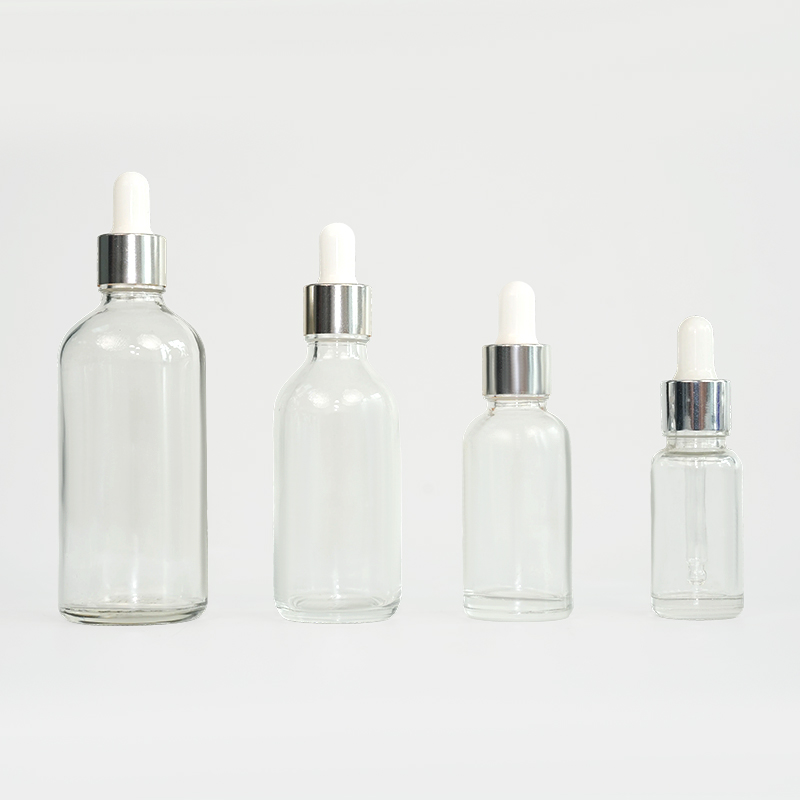
| Clear | Minimal filtering; oil colour and clarity on display | Fragrance sampling, short-run trials, oils stored away from direct light | Beautiful for photography, but do not leave samples in a sunlit window |
| Green | Moderate filtering with a botanical cue | Herbal blends, natural skincare, gift sets | Works well with kraft paper and muted foil, yet test closure colour in person |
Our own amber glass essential oil bottle has become a familiar starting point for brands that want that warm, protective presence without explaining the packaging twice. It is a practical choice, and visually it settles comfortably into both apothecary and modern retail settings.
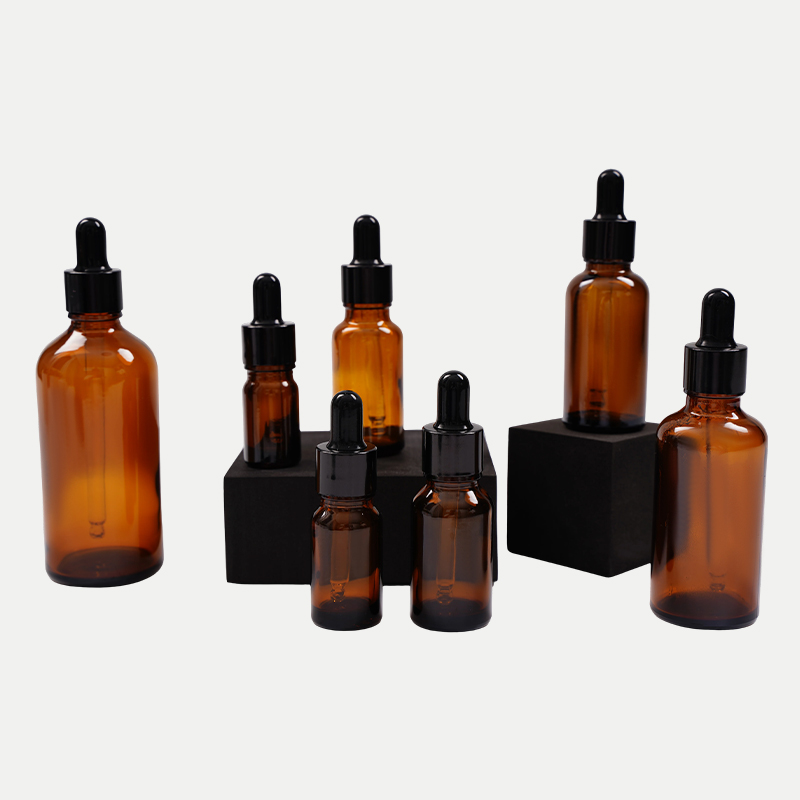 Amber Glass Essential Oil Bottles for Light-Sensitive OilsOffers UV-blocking amber glass, neutral formulation-safe material, dropper-ready threading and multiple stock sizes for essential oil packaging.View Product →
Closures, Orifices and the Daily User Experience
A small vial has to be opened, perhaps repeatedly, and the closure is where a beautiful object becomes a daily tool. The rim, the neck finish and the insert all influence whether the oil arrives in a steady drop or a clumsy smear.
Dropper, spray or roll-on?
For oils, the most common answer is a dropper. A well-matched glass dropper gives the user control and keeps the most delicate blends from over-pouring. But there is more than one rhythm.
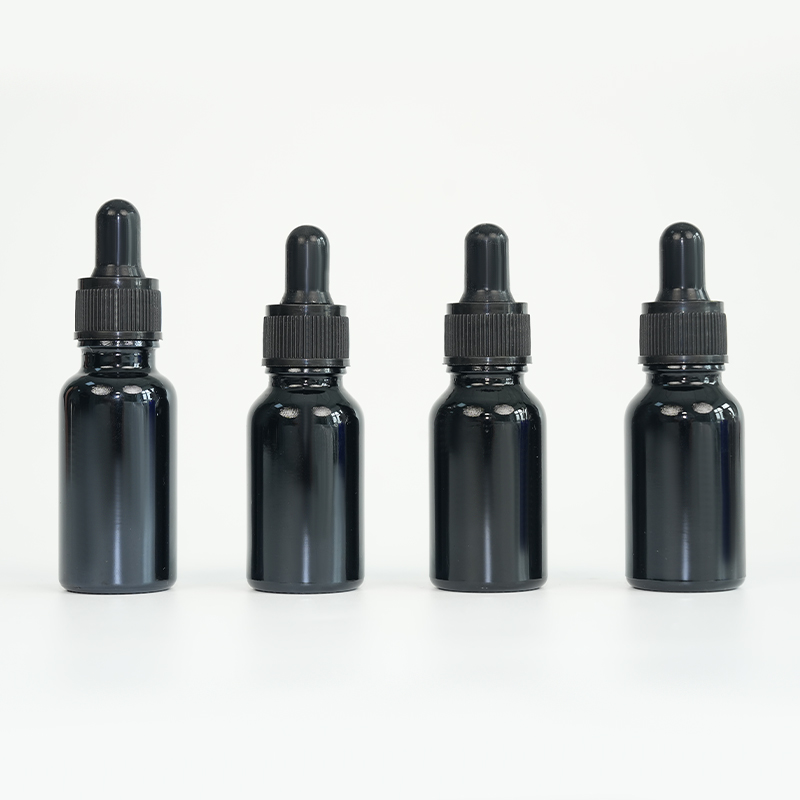
- Dropper closure: precise, familiar, and especially useful for concentrated blends and facial oils.
- Spray insert: a fast, even finish for lighter oils and freshening products, though the liquid should be checked for viscosity and compatibility.
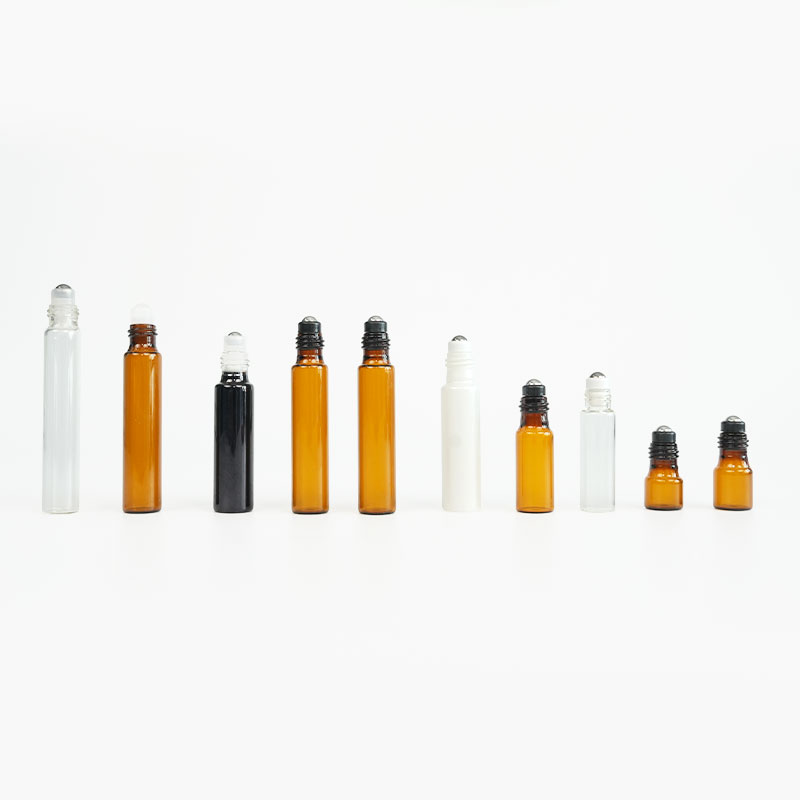
- Roll-on insert: direct skin application, travel-friendly, and often used for pulse-point or spot-treatment formats.
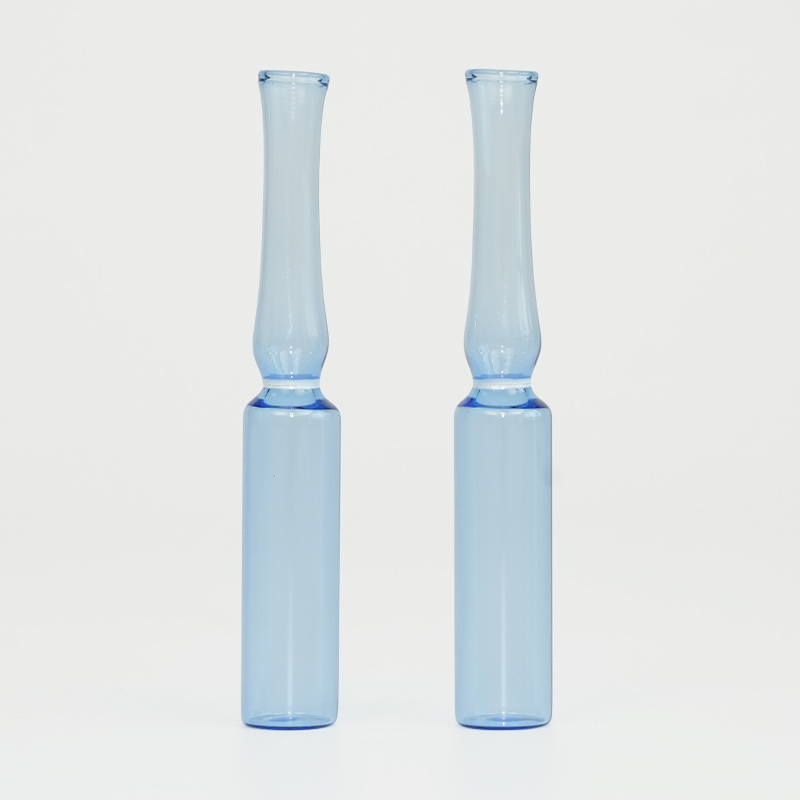
- Fused ampoule: a sealed, single-use option when sterility and zero re-opening are the priority.
The right closure is not the most elaborate one. It is the one that matches the way your customer will actually use the vial on a Tuesday evening, not only how it looks on a launch table.
When Colour Becomes Part of Your Brand Language
Once protection is settled, colour enters the brand conversation. A cobalt blue vial can carry a cool, nocturnal mood; amber can signal warmth and tradition; clear glass can make an oil's colour the hero. The useful discipline is to pick a colour that works with the product and the label rather than treating it as decoration.
Small runs are where this decision becomes visible. A 2ml vial is held close to the eye, so mismatched tones between bottle, dropper collar and carton print can feel more obvious than they would on a large bottle. Requesting a physical sample remains the surest way to judge the glass under daylight and in the lighting where the product will be sold.
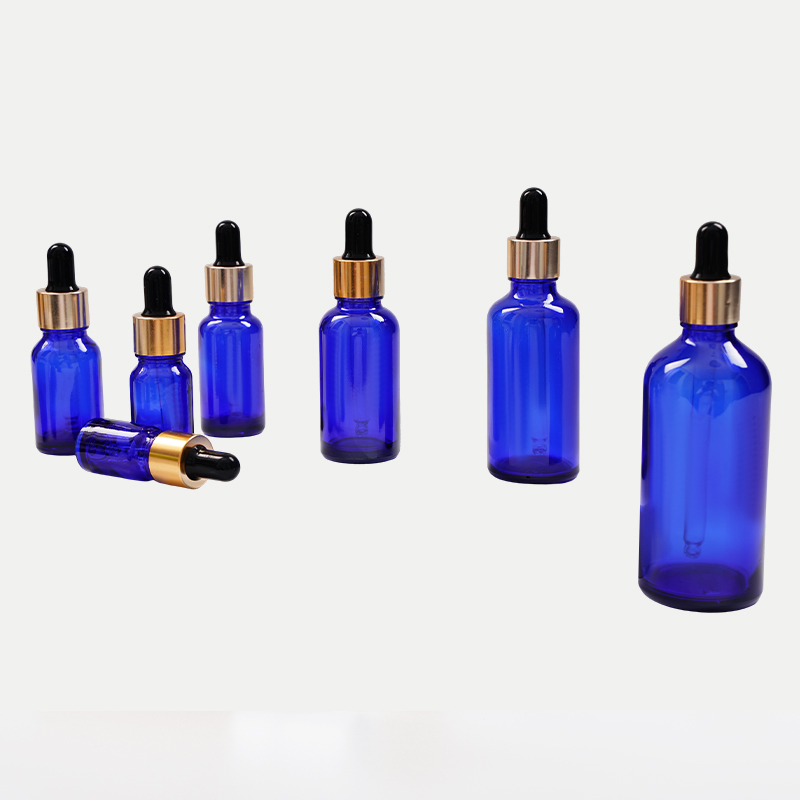 Blue Glass Essential Oil Bottles with Strong Light ProtectionDeep blue glass provides stronger light blocking than amber, with neutral glass, dropper-compatible threading and stock sizes for photosensitive premium oils.View Product →
Our blue glass essential oil bottle gives formulators a cool alternative to the usual amber, and it works well when the surrounding identity already speaks in quieter, blue-led tones.
Sampling, Filling and the Economics of Small Runs
Working in millilitres changes the maths. Filling tolerances that would disappear on a 100ml bottle can become visible on a 1ml vial; a fraction of a gram matters more when the whole product is only a few grams. We usually recommend a trial fill before a full production run, especially when the oil is viscous or when a dropper insert has a narrow orifice.
A sample is not a miniature product. It is the whole brand experience, held between thumb and forefinger.
The reward for getting this right is a sampling programme that feels generous rather than disposable. Travel sets, subscription boxes, discovery kits and gift-with-purchase add-ons all depend on a small vial that does not leak, does not feel cheap, and does not undermine the oil inside. Clear glass is particularly useful when the oil's colour is a selling point, but pair it with a carton or an opaque storage case if the product will travel.
Practical note: when evaluating a 1ml vial, test the fill weight, the drop count and the cap removal torque together. A closure that is easy to remove in the hand may still be too loose after transit.
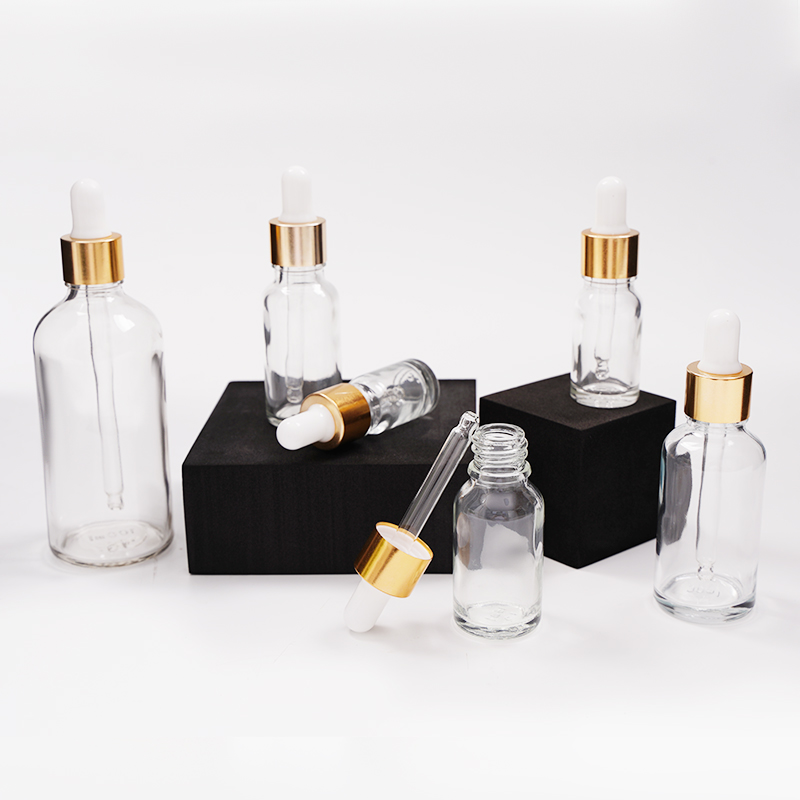 Clear Glass Essential Oil Bottles for Visible ContentsClear neutral glass lets brands show oil color and layering, with dropper-ready threading, screen-printing support and multiple stock sizes to fit sample or retail formats.View Product →
Custom Sizes, Stable Supply and the Details Behind the Order
Most brands do not need a catalogue item exactly as it is. They need a vial that fits a particular carton, a dropper that works with a particular closure, and a reliable supply plan once the formula is settled. That is where custom dimensions, neck finishes and structural design become more valuable than a long list of stock options.
We work from sample to batch with the same questions: what will be filled, how will it be sealed, how will it be stored, and how will it be opened. The answers shape the glass, the closure and the packing method. Our essential oil bottle collection covers amber, black, blue, clear and green options, but the catalogue is only a starting point. The final choice often comes from a sample in the customer's hand.
It also helps to keep an eye on how packaging expectations shift. Our notes on lightweight custom packaging trends for screw-cap oral bottles, perfume and essential oil lines are a useful reference for that wider conversation.
Warning: avoid choosing a closure solely by catalogue name. The same dropper description can hide different stem lengths, orifice diameters and bulb materials. Confirm the actual assembly before approving artwork or filling.
Good practice: stable forming, consistent annealing, controlled inspection and a realistic delivery plan matter more than a pretty sample that cannot be repeated at scale.
A Small Vial Should Feel Like a Complete Idea
The best 1ml, 2ml and 3ml essential oil glass vials do not feel like leftovers from a larger package. They feel intentional: the right glass colour, a closure that behaves, a fill that respects the oil, and a supply plan that keeps the next order predictable. That is a modest list, but it is where trust begins.
If you are weighing a first sample run or revisiting an existing miniature, start with the oil, then the user, then the vessel. The glass should answer a real question, not simply fill a slot on a shelf. We are always glad to talk through the details while they are still sketches, because that is the stage when small adjustments save the most time.
Interested in cooperation or have questions?
 Read More
- Add: Suite 1520, Sucheng Building, 233 Ruijiang Road, Haimen District, Nantong City, Jiangsu Province, China
- Tel: +86-18795716669
- Whatsapp: 8618921660015
-
Email:
manager@ausbaypkg.com sales@ausbaypkg.com export@ausbaypkg.com
Copyright by Jiangsu Ousibei Packaging Material Technology Co., Ltd. Rights
Reserved.
 OEM/ODM Empty Perfume Vials Manufacturers
